
A lunar eclipse happens when Earth moves between the Sun and the Moon, and the Moon lies in Earth's shadow.
A deep partial lunar eclipse will be visible from the UK and Ireland in the early hours of 28 August 2026, with around 93% of the Moon in the darkest part of Earth’s shadow at the eclipse's maximum.
This takes place just over a fortnight after the spectacular 12 August partial solar eclipse, but that isn't a coincidence; a solar eclipse always happens around two weeks before or after a lunar eclipse.
During a partial lunar eclipse, the portion of the Moon within Earth's umbra (deep shadow) may appear reddish or copper-coloured. This is because sunlight passing through Earth's atmosphere is scattered and refracted towards the Moon.
This partial eclipse will also be visible from North and South America, Africa, and other parts of Europe. For some time zones, the eclipse will occur in the late hours of 27 August.

What is a partial lunar eclipse?
A partial lunar eclipse happens when the Moon passes through Earth's penumbra (the outer, lighter region of Earth’s shadow), and a section of it passes through the umbra (the darkest part of Earth’s shadow).
On 28 August we’ll see a partial lunar eclipse from the British Isles, but there'll be a particularly large portion of the Moon in Earth's umbra at about 93%, making this worth looking out for.
Nowhere in the world will see a total lunar eclipse this time.
You may sometimes hear a lunar eclipse referred to as a 'blood moon'. This is a popular term which references the reddish colour of the portion of the Moon in the umbra.
Never miss an eclipse
Sign up to our space newsletter for exclusive astronomy highlights, night sky guides and out-of-this-world events.
Partial lunar eclipse timings around the UK and Ireland, and what to expect
The main phases of the 28 August partial lunar eclipse occur at roughly the same time across the UK and Ireland, but the Moon's position in the sky and moonset time will vary by location.
Unlike during a solar eclipse, the whole of the British Isles will see the same percentage of the Moon in shadow.
The penumbral part of the lunar eclipse will begin at 2.23am. This is when the Moon moves into the lighter part of Earth's shadow, the penumbra. The darkening of the Moon will be subtle initially, becoming more prominent as the Moon moves deeper into the penumbra.
The partial phase of the lunar eclipse will begin at 3.33am BST, when the Moon starts moving into Earth's umbra (the darkest part of its shadow).
The Moon will travel further into the umbra until the maximum of the eclipse at 5.12am, with roughly 93% of its visible surface in the darkest part of the shadow.
The partial eclipse will end at around 6.51am, but the Moon will have set below the horizon before then, at approximately 6.15am in London (timings vary across the British Isles).
| Stage | Timings across UK and Ireland (BST) |
| Penumbral lunar eclipse begins | 2.23am |
| Partial lunar eclipse begins | 3.33am |
| Partial lunar eclipse maximum | 5.12am |
| End of visible eclipse (due to the Moon setting below the horizon) | Moonset is at 6.15am from London, but moonset timings vary for different locations |
| Partial eclipse ends (not visible below horizon) | 6.51am |
How to see the 28 August 2026 partial lunar eclipse
The partial lunar eclipse will take place in the UK and Ireland in the early hours of the morning, with the Moon becoming increasingly low on the horizon as the eclipse progresses. This could make the latter part of the eclipse a challenge to see.
You'll need to get to a high vantage point with a clear view towards the south-western horizon to see as much of this eclipse as possible.

No special glasses are required to view this eclipse; it's as safe as looking at the full Moon.
As always when it comes to astronomical events, there's no guarantee the skies will be clear enough for us to see this lunar eclipse - but we'll keep our fingers crossed for no clouds.

Visit the Royal Observatory Greenwich
Visit the home of Greenwich Mean Time and stand on the world-famous Prime Meridian Line.
More space and astronomy
From the Royal Observatory Greenwich.
Night sky highlights - August 2026
This month brings a spectacular partial solar eclipse, a partial lunar eclipse, six planets lined up across the pre-dawn sky, and the year's best meteor shower.
Astronomy with the naked eye
Learn what you could see in the night sky with no equipment from the Royal Observatory Greenwich; from galaxies and meteor showers to comets, star clusters, cloud formations and more
Perseid meteor shower 2026: When and where to see it in the UK
What is the Perseid meteor shower, when does it happen and how can I see it in 2026?
Full Moon calendar 2026
Check the dates for every full Moon throughout the year, learn about the Moon's phases, 'supermoons' and more
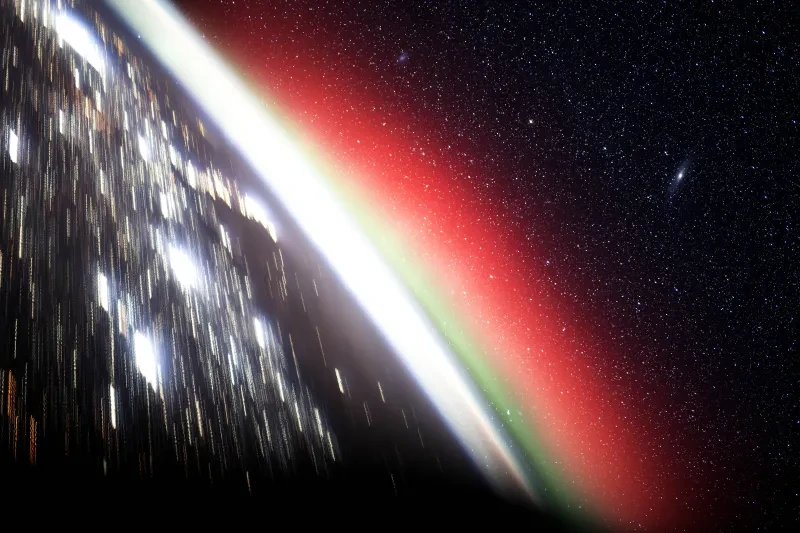
Earth and space through an astronaut's lens
Discover how NASA astronaut Don Pettit takes out-of-this-world photographs from the unique and constantly moving vantage point of the International Space Station
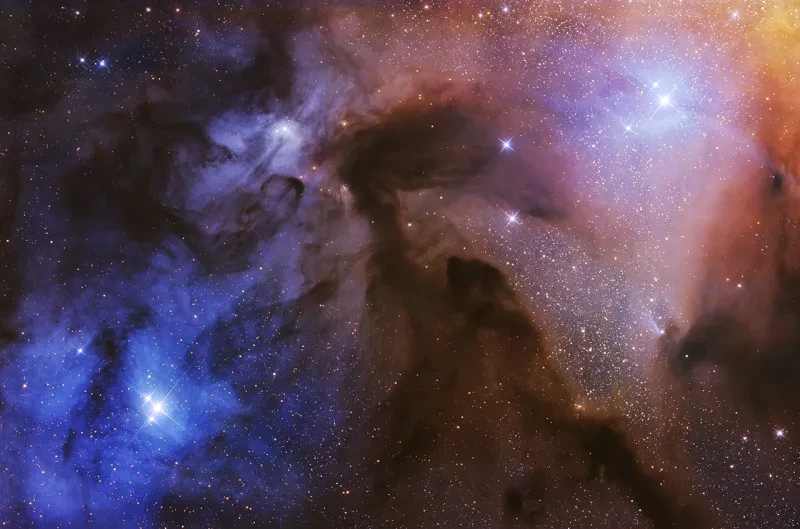
15 awe-inspiring astronomy discoveries
Discover 15 incredible astronomy facts that might just change how you see the Universe
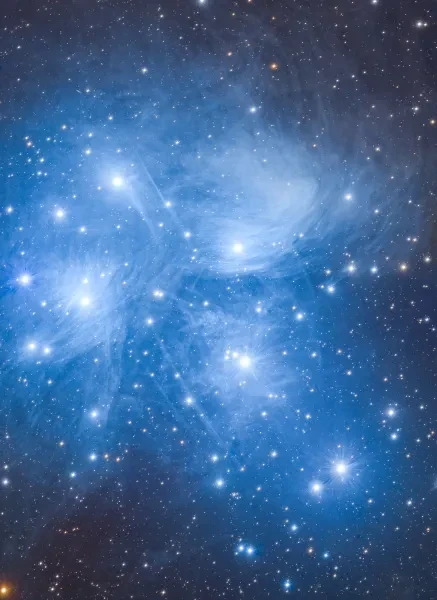
What are the Pleiades?
Take a closer look at the Pleiades, an extremely hot cluster of young stars. Also known as the 'Seven Sisters' or M45, this stellar family has been the subject of numerous myths in cultures worldwide
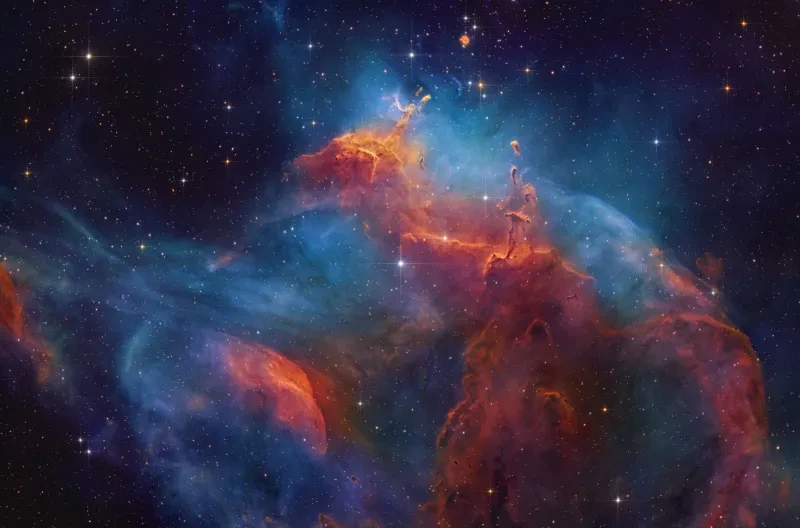
ZWO Astronomy Photographer of the Year 2026 shortlist
Discover a selection of the breathtaking images shortlisted in the global astrophotography competition
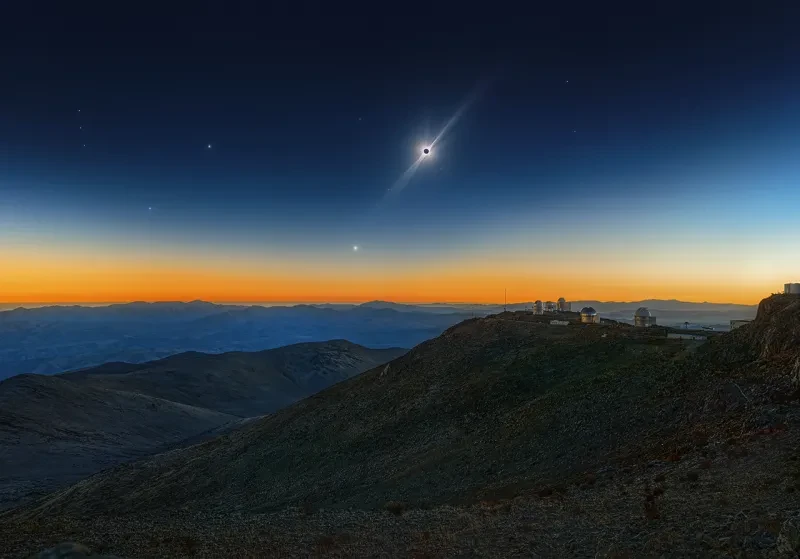
Solar eclipses explained
Find out everything you wanted to know about partial and total solar eclipses, including when to see them in the UK
Photographing the Universe from the Royal Observatory: past and present
Royal Observatory astronomers are photographing the skies from historic buildings, continuing a long history of astrophotography at Greenwich
Space and astronomy
Explore the universe with Royal Observatory Greenwich astronomers and curators

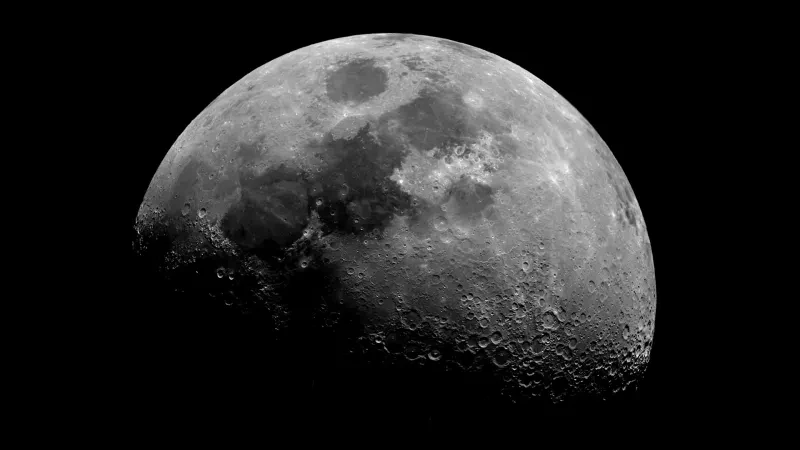
Header image: Impact of a Meteoroid During the Total Lunar Eclipse © Rafael Ruiz, shortlisted in Astronomy Photographer of the Year 2019